Volvo's Connected Safety System: A New Era of Hazard Warnings for the EX60, EX90, and ES90
Driving Safer Together: Volvo's Collective Intelligence on the Road
Revolutionizing Road Safety: Instant Cloud-Based Hazard Alerts
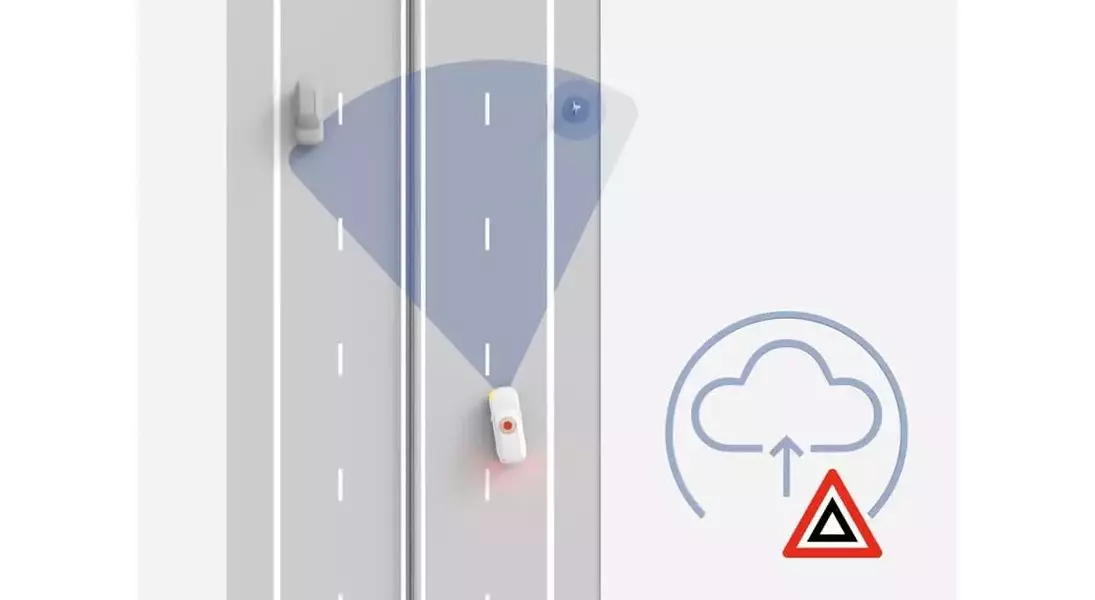
In a major advancement for automotive safety, Volvo has upgraded its EX60, EX90, and ES90 models to incorporate cloud-connected hazard warnings. This new software update enables these vehicles to share real-time information about potential dangers such as large animals, vulnerable road users, ongoing road construction, and upcoming accidents. Unlike traditional systems that rely solely on a single driver's perception, this integrated network ensures that once one Volvo identifies a hazard, all other connected Volvos in the vicinity are immediately notified, proactively enhancing collective road awareness.
Expanding the Horizon of Connected Safety Features
This innovative feature builds upon Volvo's established Connected Safety framework, which already utilizes cloud technology to transmit alerts for slippery road conditions and activated hazard lights across a wide range of current Volvo models in Europe, the US, and Canada. The primary exception to this widespread integration has been the EX30. The latest software upgrade significantly broadens the scope of hazard detection for the EX-series electric vehicles, allowing EX60, EX90, and ES90 models to communicate a more diverse array of dangers to one another, thereby creating a more robust and responsive safety ecosystem.
The Advanced Sensory Network: How Volvo's Cameras Fuel Cloud Data
The efficacy of this system is rooted in the sophisticated sensors and cameras embedded within the Volvo EX90 and its counterparts. These advanced components are meticulously calibrated to detect large animals, such as deer or sheep, near roadways. Upon identifying a potential risk, the vehicle captures and transmits the precise location data to Volvo's central servers. This data is then disseminated to other connected Volvos, transforming individual observations into shared safety intelligence. This real-time processing capability is a testament to the powerful computing architecture of the newer EX models.
Prioritizing Driver Confidence Over Rapid Deployment
The newly introduced warning system now includes specific alerts for vulnerable road users, such as pedestrians and cyclists, complementing existing warnings for animals, roadworks, and accidents. Åsa Haglund, Volvo's safety chief, emphasized in an interview with Autocar that the paramount concern is the accuracy and relevance of these alerts. She highlighted that excessive or irrelevant notifications could lead drivers to disregard the system, thereby undermining its effectiveness. Volvo's deliberate approach to development underscores a commitment to fostering trust in its safety features, ensuring that the technology serves as a reliable support for human judgment rather than a replacement for it. This cautious yet progressive strategy is expected to see these cloud-based warnings extend to more Volvo models over time.
The Future of Road Safety: Fleet-wide Intelligence and Data Management
The implementation of cloud-fed, fleet-wide warnings transforms every Volvo into an integral sensor within a vast network, potentially providing drivers with crucial extra seconds in critical situations. However, the success of this system hinges on two key factors: scale and the quality of the signal. Minimizing false alarms is essential to prevent the erosion of driver trust. Furthermore, the true value and long-term viability of this system will depend on Volvo's meticulous tuning, as well as its transparent and secure handling of data sharing and privacy as more vehicles join this interconnected safety ecosystem.