Volvo Considers Electric Sedan and Wagon for US Market by 2028
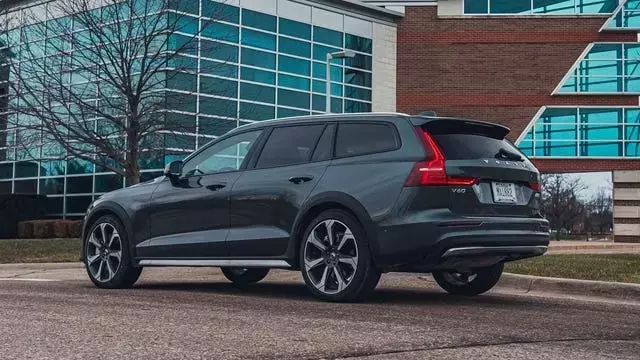
Volvo, a brand synonymous with station wagons in the past, might once again offer these practical vehicles in the United States. Following the discontinuation of the V60 and V90 after the 2026 model year, industry reports suggest that an electric wagon, alongside an electric sedan, could arrive in the U.S. by 2028, signaling a potential resurgence of these body styles.
These forthcoming electric models are currently under development for the European market and are expected to utilize Volvo's SPA3 platform, which will also underpin the upcoming EX60 SUV. If introduced to the American market, these vehicles are likely to be positioned in the low ,000 price range, targeting a niche but dedicated customer base. Volvo anticipates modest sales, aiming for approximately 10,000 units combined annually in the U.S., reflecting a strategic re-entry into this segment rather than a mass-market push.
While Volvo has not officially confirmed these plans, a recent statement from CEO Håkan Samuelsson hinted at a future shift back towards wagons, noting that the market might have become too heavily focused on SUVs. This sentiment, combined with the development of new electric platforms, suggests a deliberate move by Volvo to diversify its offerings and cater to a broader range of consumer preferences, echoing a belief in the enduring appeal and functionality of wagons.
This potential reintroduction of electric sedans and wagons represents Volvo's forward-thinking approach to sustainable mobility and design. By embracing electrification while honoring its heritage of versatile vehicle formats, Volvo is poised to meet evolving market demands and provide consumers with innovative and environmentally conscious choices. This strategy not only reinforces Volvo's commitment to a cleaner future but also highlights the timeless value of practical and elegant automotive design, demonstrating that tradition and progress can harmoniously coexist.