Hong Kong's Chinese Medicine Hospital Pioneers Integrated Care
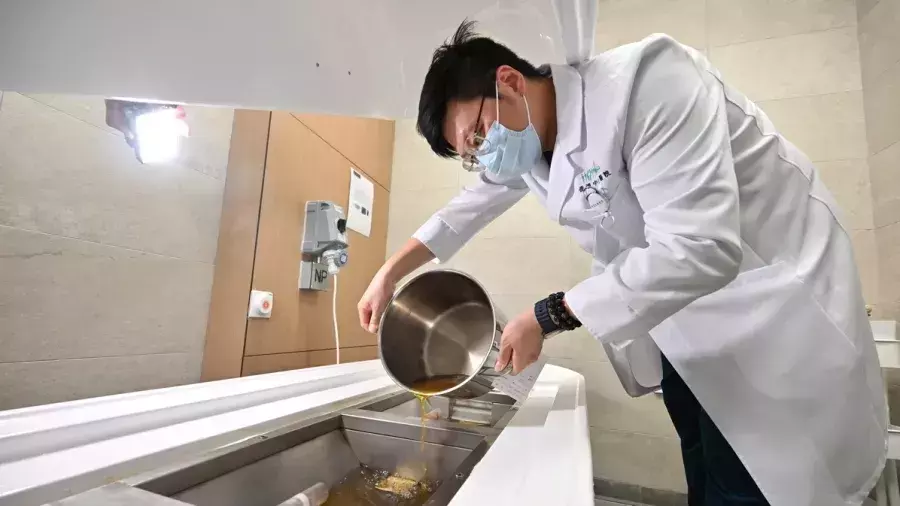
The Hong Kong Chinese Medicine Hospital is set to redefine patient care with the introduction of its novel integrated treatment programs. These initiatives seamlessly blend the wisdom of traditional Chinese medicine with the advancements of modern Western medical science. Commencing on July 27, these specialized programs will initially target individuals recovering from stroke and those suffering from chronic lower back pain, aiming to provide comprehensive and synergistic care.
This pioneering approach emphasizes a collaborative model where Chinese medicine practitioners and Western physicians work in concert, offering joint consultations. Complementing this, dedicated nurse case managers will oversee and coordinate interdisciplinary follow-ups, ensuring a streamlined and continuous care journey for every patient. This integrated framework is designed to leverage the strengths of both medical systems, fostering a holistic healing environment.
The treatment regimens within these programs are diverse, incorporating traditional techniques such as acupuncture, herbal fumigation, moxibustion, and tui-na massage. These are synergistically combined with contemporary Western medical support, including physiotherapy. Throughout the treatment process, physiotherapists and nursing teams will diligently monitor patient progress, allowing for timely adjustments to treatment plans to ensure optimal recovery and well-being.
Dr. Cheung Chun-hoi, Deputy Hospital Chief Executive for Chinese Medicine at the facility, highlighted the unique array of Chinese medicine treatments offered, distinguishing them from those typically found in external clinics. He underscored the hospital's commitment to delivering a broad spectrum of traditional therapies that are integral to its integrated care model. The hospital plans to roll out approximately 12 of its 23 specialized disease programs within the first year of operation, demonstrating a rapid expansion of its service offerings.
A compelling case study involves a 67-year-old patient who, several years prior, experienced a transient ischaemic attack, resulting in mobility challenges. The patient reported persistent severe neck and shoulder pain, accompanied by hand numbness, which significantly disrupted his sleep and was unresponsive to conventional painkillers. Following a series of integrated treatments at the hospital, combining herbal fumigation, acupuncture, cupping, and tui-na with modern physiotherapy, the patient's condition markedly improved. His neck and shoulder pain subsided, and his walking became more stable, enabling him to engage in longer walks and exercises. While some finger flexibility issues remain, the overall improvement in his quality of life is substantial.
Looking ahead, the hospital is also preparing to introduce 24-hour inpatient services starting in December. This expansion will allow for the transition of certain outpatient and day-patient cases to inpatient care, providing more intensive and continuous support. To bolster its capabilities, the hospital is actively recruiting staff, with a recent two-day job fair in early May attracting around 1,500 applicants. Furthermore, strategic partnerships with mainland Chinese medicine hospitals are being forged to facilitate short-term and long-term teaching and training opportunities in Hong Kong for practitioners and masters, enriching the local talent pool and expertise.
In essence, the Hong Kong Chinese Medicine Hospital is embarking on a transformative journey in healthcare delivery. By thoughtfully integrating traditional Chinese healing practices with modern medical science, the hospital aims to offer comprehensive, patient-centered care that addresses a wide range of health challenges. This pioneering approach not only promises enhanced treatment outcomes but also solidifies Hong Kong's position as a leader in innovative medical practices, fostering a new standard for collaborative healthcare.