Hong Kong Businesses Face Payment Delays Despite Economic Growth
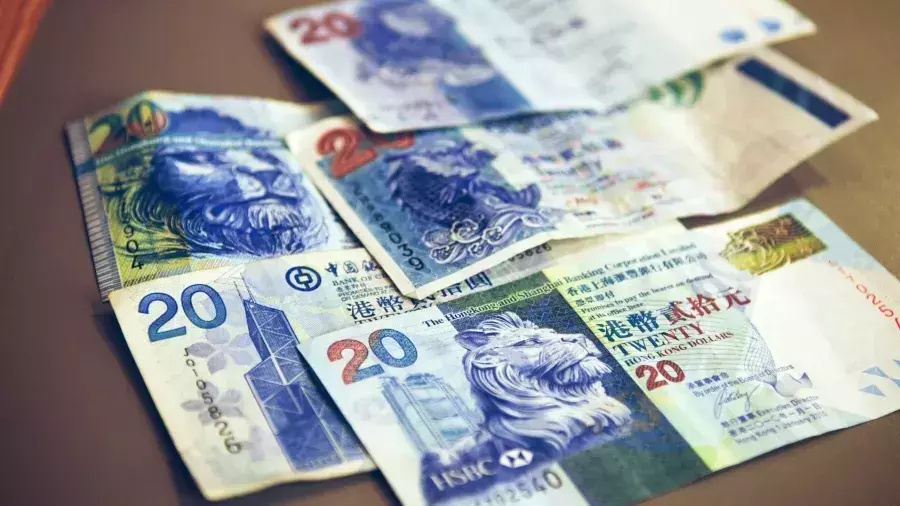
A considerable portion of enterprises in Hong Kong are contending with increasing incidences and severity of delayed payments, despite an upward revision in the economic growth forecast for 2026. This situation underscores persistent operational pressures on businesses amidst broader economic expansion. According to a recent assessment by Coface, approximately 40% of companies in the region have reported encountering more frequent payment hold-ups. The average duration for these payments now stretches to 73 days, indicating a challenging cash flow environment for many.
Adding to these concerns, a significant one in three companies has experienced customer defaults, with the agricultural and food, construction, and energy industries being particularly affected. The outlook remains cautious, as nearly half of the businesses surveyed anticipate that payment behaviors will deteriorate further over the next year, with the automotive and information and communication technology (ICT) sectors expected to be most impacted. This comes at a time when the government has revised Hong Kong's growth projection for 2026 upwards to 3.5%-4.5% from an earlier 2.5%-3.5%, following a strong performance in the first half of the year. The second quarter saw a moderation in GDP growth to 4.3%, yet the first half achieved a robust 5.1% expansion, marking the quickest semi-annual growth in approximately five years. However, this economic buoyancy has not translated into improved business sentiment across all sectors, as real estate transactions remain slow and business services have weakened due to reduced equity market activity. Retail and cross-border trade also exhibit signs of weakness. Key drivers for the economy, such as exports, investment, and consumer spending, are being closely monitored, with exports bolstered by demand for AI-related electronics and investments benefiting from construction and public sector projects. Consumer spending, while recovering, is doing so at a gradual pace.
Prevalence of Payment Issues Across Industries
Despite Hong Kong's economic outlook receiving an upgrade for 2026, a substantial number of businesses are still grappling with significant payment delays and customer defaults. A recent report highlights that roughly 40% of firms in the city are experiencing more frequent and severe issues with delayed payments. The average time it takes for businesses to receive payments has extended to 73 days, which is a considerable period that can impact cash flow and operational stability. This trend is particularly pronounced in critical sectors such as agrifood, construction, and energy, where one-third of companies have reported instances of customer defaults. These findings suggest that while the overall economic environment may be improving, specific industry segments and individual businesses continue to face substantial financial challenges.
The prevalence of these payment problems indicates a disconnect between macroeconomic indicators and the day-to-day realities for many businesses. Even with a projected growth rate of 3.5%-4.5% for Hong Kong in 2026, up from previous estimates, the operational landscape remains fraught with difficulties. The survey further reveals that business sentiment is largely subdued, with nearly half of the respondents expecting payment behaviors to worsen in the coming twelve months. This negative outlook is particularly prevalent in the automotive and ICT sectors. The ongoing struggles with payment delays and defaults suggest that economic expansion at a macro level does not automatically translate into smoother financial operations for all businesses, highlighting the need for targeted strategies to support these vulnerable sectors and ensure their long-term viability within the growing economy.
Economic Growth and Business Challenges
Hong Kong's economy has demonstrated noteworthy growth, with its Gross Domestic Product (GDP) expanding by 5.1% in the first half of the year, marking the fastest semi-annual increase in approximately five years. The government has consequently adjusted its growth forecast for 2026 upwards to a range of 3.5%-4.5%. This positive trajectory is supported by various factors, including robust demand for artificial intelligence-related electronics boosting exports and significant public and construction investments stimulating capital expenditure. Despite this macroeconomic strength, individual businesses are not uniformly benefiting. Many firms, especially small and medium-sized enterprises (SMEs), continue to face considerable headwinds, particularly in managing their receivables and maintaining healthy cash flows.
The discrepancy between the overall economic rebound and the challenges faced by businesses underscores the uneven nature of the recovery. While sectors like technology and infrastructure are thriving, others such as real estate, retail, and cross-border trade are experiencing slower activity or weakening performance. Reduced equity market turnover has also adversely affected business services. These varied performances indicate that the benefits of economic growth are not evenly distributed, leading to a complex operational environment where some businesses prosper while others struggle. The gradual recovery of consumer spending, coupled with ongoing payment issues, points to a need for sustained vigilance and potential policy interventions to ensure that the economic upswing translates into tangible improvements for all businesses, fostering a more resilient and inclusive growth trajectory for Hong Kong.