GM's Latest EV Platform Boasts Reduced Wiring and Enhanced Battery Technology
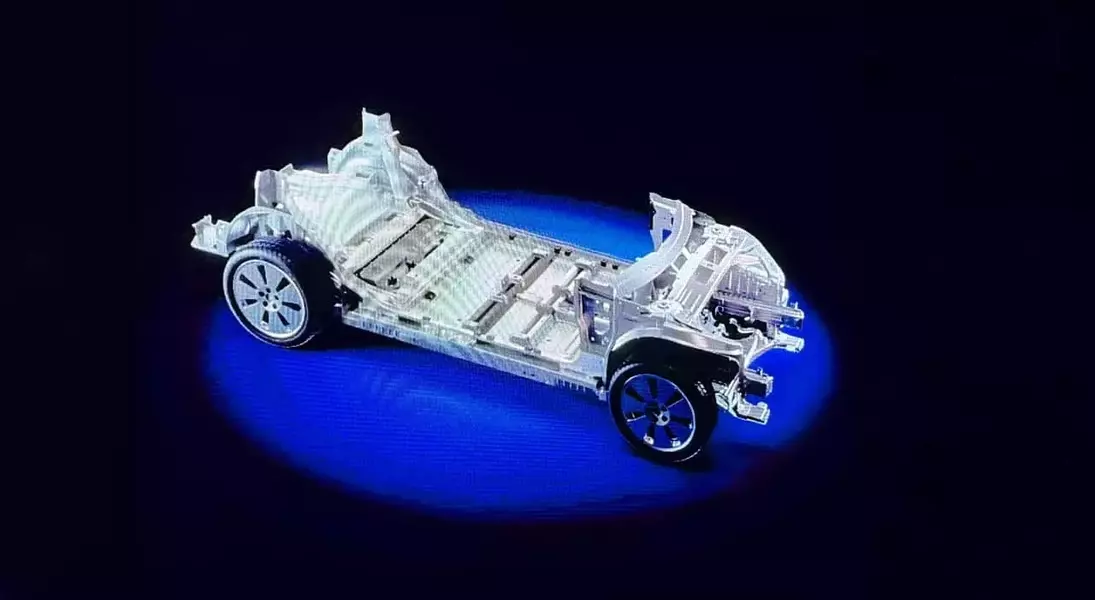
Revolutionizing Electric Mobility: GM's Next-Gen Platform Unveiled
GM's Vision for Future Electric Vehicles: A Leap in Efficiency and Cost-Effectiveness
General Motors recently showcased its innovative fourth-generation electric vehicle architecture at the GM Forward event in New York City. This new platform is designed to significantly enhance EV performance through gains in efficiency and advanced computing power. While a specific launch timeline and vehicle models were not disclosed, GM President Mark Reuss hinted at an imminent rollout across high-volume crossover SUV segments, emphasizing the company's commitment to reducing production costs and accelerating its electric mobility initiatives.
Advanced Battery Technology: The Core of GM's Innovation
Central to GM's new EV platform are lithium-manganese-rich (LMR) batteries. These advanced batteries are touted as a more economical alternative to high-nickel cells, offering 33% greater energy density compared to lithium iron phosphate (LFP) batteries. Zach Walker, GM's director of global EV architecture, highlighted the transformative potential of LMR batteries, particularly their ability to deliver comparable or extended range with 20% less battery capacity, significantly impacting cost and value for both the company and consumers.
Engineering for Performance: Lighter, More Efficient, and Aerodynamic EVs
The fourth-generation EV architecture brings substantial improvements in vehicle design and performance. GM states that future EVs built on this platform will achieve a 15% reduction in mass, a 20% boost in energy efficiency, and 25% better aerodynamic performance. Furthermore, GM has redesigned its drive units and power electronics, cutting the number of components in each motor by 40%. This holistic approach ensures a lighter, more streamlined, and ultimately more efficient electric vehicle.
Rethinking Vehicle Intelligence: Centralized Computing and Software Integration
Echoing industry trends seen in Tesla and Rivian, GM is overhauling the electrical and computing infrastructure of its new EVs. The new system replaces numerous discrete electronic control modules with a powerful Central Compute Unit positioned at the front of the vehicle. This centralized system manages critical functions like perception, propulsion, safety, and chassis controls. This unified foundation provides the robust processing power needed for simultaneous sophisticated in-cabin AI and autonomous driving capabilities.
The Future is Connected: Reduced Complexity and Enhanced Connectivity
The new electrical and computing architecture promises a 30% reduction in wiring, leading to less complexity and weight. It also boasts 40 times more processing power and 50% faster cellular connectivity, enhancing features like video streaming. This groundbreaking architecture is set to debut in the 2028 Cadillac Escalade IQ, which will also feature GM's first eyes-off driving system. The technology will subsequently be integrated across GM's fourth-generation EVs and its traditional gas-powered truck and three-row SUV lineup, marking a new era of connected and intelligent vehicles.