Consumer Trust: The Defining Factor in AI Integration for Retail
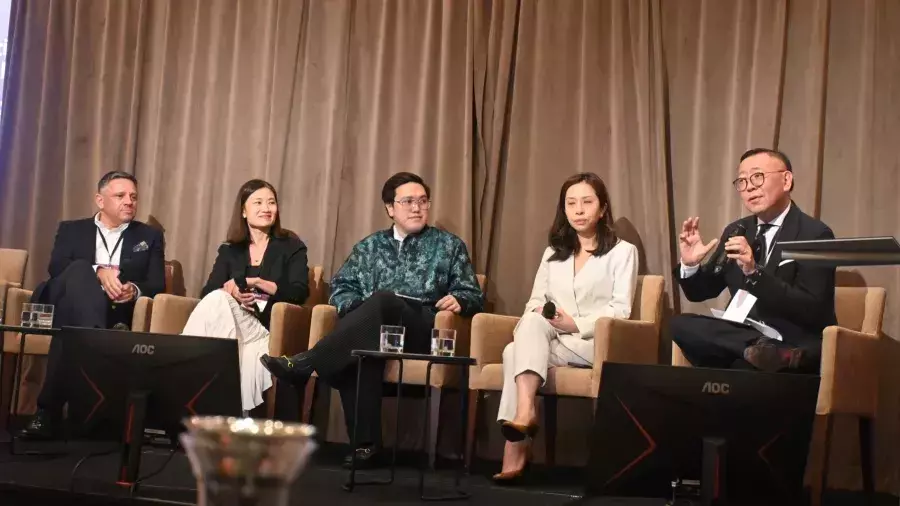
The integration of artificial intelligence within the retail sector faces a critical limiting factor: consumer confidence. Discussions at the recent Retail Asia Summit 2026 in Hong Kong underscored that despite widespread AI adoption, the extent to which these technologies can be utilized in stores and for advisory services is directly proportional to the trust consumers place in them. Physical retail spaces, contrary to some predictions, continue to serve as vital centers for experiential shopping and product discovery.
Retail professionals highlight that AI excels in automating tasks that are primarily informational, such as providing product specifications or promotional details. For instance, Jared Ernest De Guzman, Watsons International customer director at AS Watson, introduced a "trust scale" framework, suggesting that AI is optimal for low-trust interactions. However, when it comes to advice requiring a deeper level of confidence, like a pharmacist recommending a specific medication or a beauty consultant suggesting a skincare product tailored to an individual's needs, human specialists are indispensable. The consensus among experts, including Nick Batey, general manager of Marks & Spencer Asia at ALF Retail Hong Kong Limited, is that while AI enhances operational efficiency and frees up staff time, it cannot replicate the invaluable human touch essential for building deep customer relationships. Similarly, Theresa Lui, chief people officer at Chow Tai Fook Jewellery Group, noted that while AI tools, such as internal AI Avatars for product information, empower sales associates to dedicate more time to customers, they do not replace the warmth and personal connection that human interaction provides, reinforcing the enduring importance of brick-and-mortar stores.
Ultimately, the retail industry is navigating a nuanced path where AI acts as a powerful enabler for back-end operations and routine tasks, but human interaction remains paramount for customer engagement, particularly in high-value or personalized services. Jenny Lai, CEO and president of Bluebell Greater China, emphasized that in the luxury market, the customer experience largely remains "very human." Michael Cheng, the panel's moderator and Hong Kong consumer markets business leader for Deloitte China, summarized that AI is indeed a driving force for business growth. Yet, retailers must consistently prioritize cultivating strong customer relationships and encouraging foot traffic, thereby boosting sales within their physical establishments.
The evolving landscape of retail demonstrates a profound commitment to customer-centricity, where technological advancements serve to augment, rather than replace, genuine human connection. Businesses that successfully blend AI's efficiency with personalized human service are poised to thrive, creating enriched shopping experiences and fostering lasting consumer loyalty.